Blog about traditional music all over the world
Year: 2023

The Harmony of Sports and Music Betting: Where Passion Meets Entertainment

Music, the universal language of emotions, transcends boundaries and unites hearts. It is a harmonious blend of rhythms, melodies, and emotions that resonates with people across the globe. In this article, we will embark on a melodic journey exploring the profound impact of music on cultures, emotions, and human connections.

In the exhilarating realm where sports and music converge, a unique form of entertainment emerges: sports and music betting. This thrilling combination not only caters to sports enthusiasts but also music lovers, creating a dynamic synergy of passion and excitement. In this article, we’ll explore the electrifying fusion of sports and music in the betting arena, offering an unparalleled experience for enthusiasts worldwide.

The sounds of the Emerald Isle and luck at the casino

In the first paragraph, we will look at the combination of Irish musical tradition and the world of gambling. Here it would be appropriate to insert a link to Legjobb Kaszino, a website where experts review the best online casinos in detail, including reviews of bonuses, licences, games and terms and conditions.

Here is the perfect context: Irish music, with its centuries-old folk history, melodic flexibility and Celtic energy, resonates in the hearts of listeners, evoking warm emotions and a sense of adventure.

Harmonies without Borders: Delving into Traditional Music of the Globe

Traditional music is the heart and soul of a culture. It tells tales of history, paints pictures of bygone eras, and offers us a glimpse into a community’s spirit. From India’s melodious bhajans to the passionate flamenco of Spain, every corner of the globe hums with musical treasures. Join us as we explore the tapestry of traditional music from around the world.

Africa: The Drumbeat of the Continent

Africa’s music is not just an art – it’s a way of life. The Djembe from West Africa, with its heartbeat rhythms, is a staple at communal gatherings. In southern Africa, the Mbira or thumb piano creates an enchanting melody.

Tunes & Territories: A Global Tour of Traditional Music and Real Estate Connections

In every corner of the world, traditional music fills the air. But have you ever considered the fascinating interplay between these age-old tunes and the real estate landscapes they come from? As we tune into cultural music, there’s a rhythm that also reverberates in global properties’ bricks and mortar. Let’s embark on a harmonious journey that ties traditional music’s cultural depths to the architectural and real estate marvels of different territories.

African Drumbeats & Expansive Savannas

In Africa, the drum is not just an instrument; it’s a heartbeat. The expansive plains and vast savannahs resonate with the Djembe’s thumping and the Kora’s melodic stories. And in these vast landscapes, traditional homes-round huts with thatched roofs—mirror their music’s circular rhythm.

Echoes of Ancient Melodies: A Journey Through the Rich History of Chinese Music

Chinese music, with its rich history and diverse genres, holds a significant place in the world of music. Spanning thousands of years, the ancient melodies and rhythms of Chinese music have left an indelible mark on both traditional and contemporary compositions. In this article, we embark on a journey through the captivating history of Chinese music, exploring its origins, evolution, cultural significance, and global impact. From the formative period to the modern era, we delve into the echoes of ancient melodies that continue to resonate today.

Formative Period: Unveiling the Origins of Chinese Music

Chinese music history traces its roots back to ancient times, steeped in legends and ancient rituals. According to Chinese writings, Emperor Huangdi sent Ling Lun, a scholar, to the western mountain area to cut bamboo pipes that could mimic the call of the fenghuang, the mythical bird symbolizing harmony. This symbolic birth of music, although dating back to 2697 BCE, sheds light on the early connection between music and the universe.

Harmonies Across Centuries: Unveiling the Beauty and Diversity of Asian Traditional Music

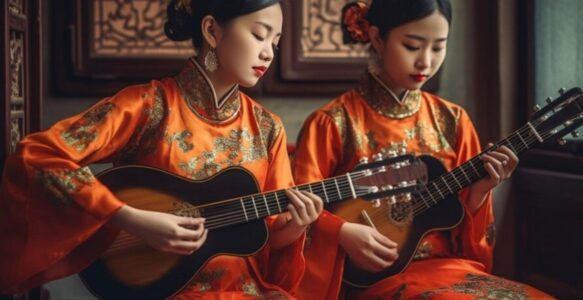
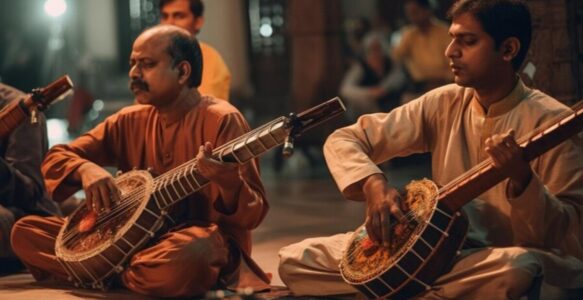
Asian traditional music is a vast and diverse tapestry that spans across centuries and continents, reflecting the rich cultural heritage of various Asian countries. From the intricate melodies of Chinese traditional music to the rhythmic beats of Indian classical music, and the haunting sounds of Japanese traditional music, the beauty and diversity of Asian traditional music are truly mesmerizing. In this article, we embark on a journey to explore the origins, instruments, cultural significance, major traditions, cross-cultural influences, and contemporary expressions of Asian traditional music.

Origins of Asian Traditional Music

Asian traditional music has its roots deeply embedded in the history and cultural fabric of each region. The origins of Asian traditional music can be traced back thousands of years, evolving alongside the social, religious, and artistic practices of different civilizations. The music reflects the unique worldview, beliefs, and values of the communities that have nurtured it.

The evolution of traditional Japanese music over the centuries

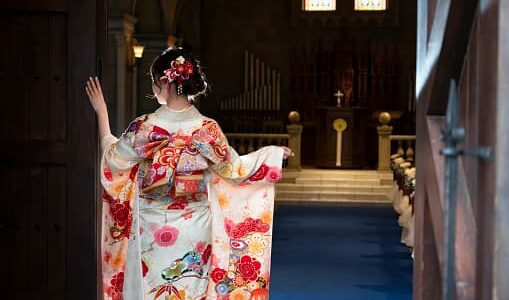
The evolution of traditional Japanese music is a fascinating window into Japanese society. Many various historical and cultural influences have shaped Japanese music from its earliest manifestations in ancient and mediaeval times to the present day. This article traces the historical evolution of traditional Japanese music, focusing on the genre’s defining characteristics, its most prominent artists, and its significance in Japan and worldwide.

Ancient and Medieval Periods (up to the 16th century)

Traditional Japanese music has been around since ancient times and the Middle Ages. Gagaku is one of the oldest kinds of Japanese music. It is the music of the royal court. It was brought to Japan during the Nara period (710–794). It came from China and Korea. Gagaku has a slow, steady beat and is played by a large group of instruments, such as the sho, the biwa, and the koto.

Exploring the traditional music of Ireland: instruments, styles, and famous musicians

Traditional Irish music is an essential aspect of Irish culture, which has a rich history and a unique identity. For centuries, this music has played a significant role in Irish society, serving as a means of storytelling, entertainment, and cultural expression. It has evolved over time, adapting to changing circumstances and influences, but its fundamental spirit and character remain constant.

Instruments Used in Traditional Irish Music

The instruments used in traditional Irish music are varied and unique, with each serving a particular purpose in creating the sound and feel of the music. Some of the most commonly used instruments include the fiddle, uilleann pipes, bodhrán, and tin whistle. The fiddle is a crucial instrument in Irish music, and it is played with a bow. The uilleann pipes are a type of bagpipe that produces a softer sound than the Scottish bagpipes. The bodhrán is an Irish drum that provides the rhythm, and the tin whistle is a small flute that is easy to carry and play.